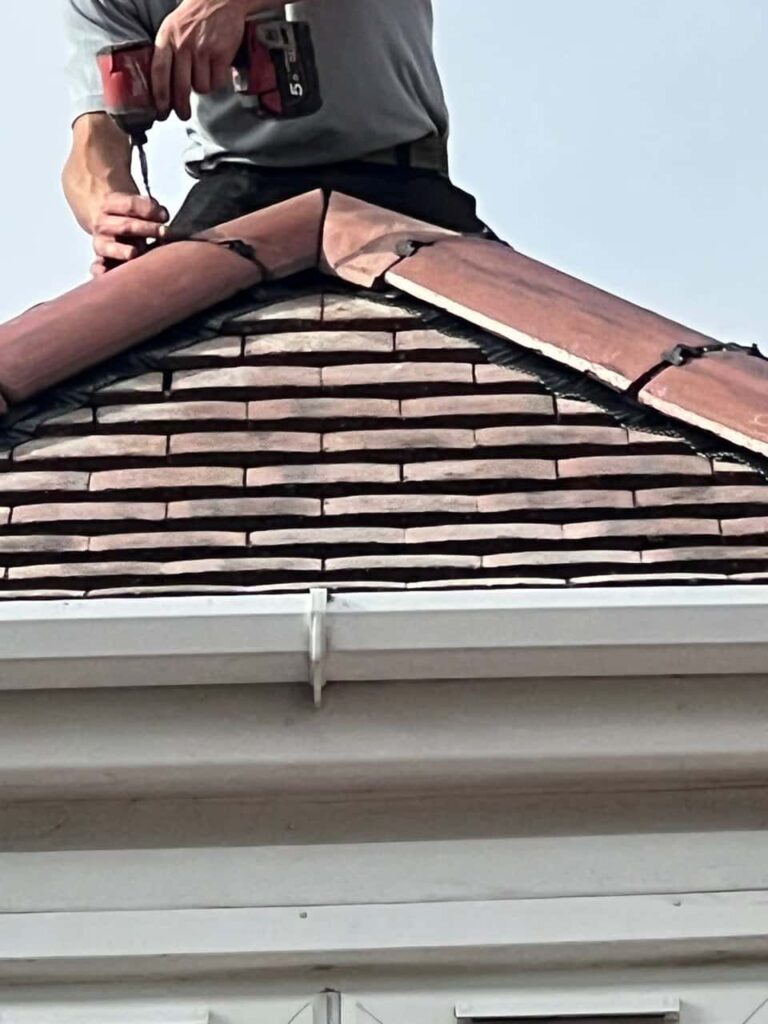
Sudden roof damage can leave a property vulnerable to rainwater, wind and further deterioration. Missing tiles, damaged flashing, fallen branches or leaks that appear during heavy rainfall can quickly become serious problems if they are not addressed promptly. Knowing what to do in the immediate aftermath can help protect your home while you arrange professional assistance.
For homeowners in Ilkeston, Nottingham, emergency roof repairs provide a way to address unexpected roofing problems, limit water ingress and restore the roof’s protective function. Acting carefully and recognising the warning signs can make a difference when dealing with sudden damage.
What Counts as a Roofing Emergency?
A roofing emergency is any sudden problem that compromises the roof’s ability to protect the property or creates an immediate safety concern. Not every roofing defect requires urgent attention, but damage that allows water inside or leaves parts of the roof exposed should be assessed promptly.
Common situations that may require emergency roof repairs include:
- Missing or displaced roof tiles following strong winds.
- A sudden leak through the ceiling or into the loft.
- Damaged lead flashing around chimneys or roof junctions.
- Roof damage caused by fallen branches or debris.
- Loose roofing materials that may fall from the building.
- Visible damage to a flat roof that allows water to enter.
The extent of the damage is not always obvious from the ground. A professional inspection can help identify the source of the problem and establish which repairs are needed to make the roof secure and weather-resistant.
What to Do Immediately After Roof Damage
Taking sensible precautions can help reduce the risk of injury and limit damage to the interior while you wait for a roofer.
Keep Clear of Dangerous Areas
Avoid climbing onto the roof or using ladders to inspect damaged tiles, flashing or other roofing components. Wet, loose or unstable surfaces can be particularly dangerous, and damaged sections may not support your weight.
If roofing materials appear loose or are at risk of falling, keep people away from the affected area. Where the damage presents an immediate danger, prioritise safety and seek appropriate emergency assistance.
Protect Your Belongings Indoors
If water is entering the property, move furniture, electrical equipment and other belongings away from the affected area where it is safe to do so.
Place containers beneath minor drips if you can do this without approaching a damaged ceiling or other unsafe structure. If the ceiling is bulging, sagging or showing signs of significant water accumulation, keep clear and seek professional assistance rather than attempting to manage the problem yourself.
If water is near electrical fittings, avoid touching the affected area and arrange appropriate help.
Record Visible Damage from a Safe Position
Photographs taken from the ground or inside a safe part of the property can help document what has happened. Make a note of when the problem started and whether the leak becomes worse during rainfall.
This information can help a roofing professional understand the situation before attending and may make it easier to identify the likely source of the damage.
Arrange Professional Roof Repairs Promptly
Once immediate safety concerns have been addressed, contact a roofing specialist to explain the problem. Describe any missing tiles, active leaks or visible damage and mention whether water is entering the property.
Ilkeston Roofing Repairs can assess the reported issue and advise on the appropriate next steps for restoring the roof’s protection.
Common Causes of Emergency Roof Damage
Understanding what can cause sudden roofing problems helps homeowners recognise when an inspection may be necessary.
Strong Winds and Displaced Tiles
Strong winds can lift or dislodge roof tiles, particularly when fixings have weakened or the roof covering is already deteriorating. Even a small gap can allow rainwater to reach the underlying roofing materials.
Prompt repairs help restore the roof covering and reduce the chance of further tiles becoming displaced.
Heavy Rain and Roof Leaks
Persistent rainfall can reveal weaknesses around roof valleys, flashing, joints and damaged tiles. Water may travel along the roof structure before appearing as a damp patch or ceiling stain, meaning the visible leak is not always directly beneath the original defect.
A thorough assessment helps locate the source rather than simply treating the point where water appears indoors.
Damaged Flashing and Roof Junctions
Lead flashing protects vulnerable connections around chimneys, walls and other roof features. If it becomes loose, split or detached, water may enter through the gap.
Repairs may involve securing the existing flashing, replacing damaged sections or addressing problems with the surrounding materials.
Fallen Branches and Impact Damage
Branches or other debris can crack tiles, damage roof coverings and affect supporting components. After an impact, the roof should be checked for both visible damage and less obvious problems that could allow water ingress.
Temporary Protection and Permanent Repairs
In some situations, temporary measures may be necessary to limit water entry until permanent repairs can be completed. These should be assessed and carried out by a suitable professional, particularly where roof access is difficult or materials are unstable.
A temporary covering does not necessarily resolve the underlying defect. Once conditions allow, the roofer should inspect the affected area and determine whether tiles need replacing, flashing requires repair or other roofing components have been damaged.
The repair process should address the cause of the problem as well as the visible symptoms. This helps restore the roof’s weather resistance and reduces the likelihood of the same issue recurring.
Preventing Future Roofing Emergencies
Although sudden damage cannot always be avoided, regular roof maintenance can help identify developing problems before they become urgent.
Periodic inspections can reveal cracked tiles, deteriorating mortar, loose flashing and other defects that may worsen over time. Keeping gutters clear and checking for signs of dampness in the loft can also help identify potential issues early.
After severe weather, look for missing tiles or roofing debris from a safe position. If anything appears unusual, arranging an inspection can help determine whether repairs are needed.
For property owners in Ilkeston, Nottingham, a proactive approach to roof maintenance can help preserve the condition of the roof and reduce the risk of unexpected disruption.
Conclusion
Sudden roof damage needs careful attention, particularly when it leaves a property exposed to rainwater or creates a safety concern. Keeping clear of dangerous areas, protecting belongings where safe and arranging professional assistance are sensible first steps.
Ilkeston Roofing Repairs can help homeowners in Ilkeston, Nottingham, assess unexpected roofing problems and identify suitable repair solutions. If your roof has suffered damage, tiles have slipped or water is entering your property, get in touch to discuss the issue and arrange professional assistance.
Call us on: 0115 647 1193
Click here to find out more about Ilkeston Roofing Repairs
Click here to complete our contact form and see how we can help with your roofing needs.